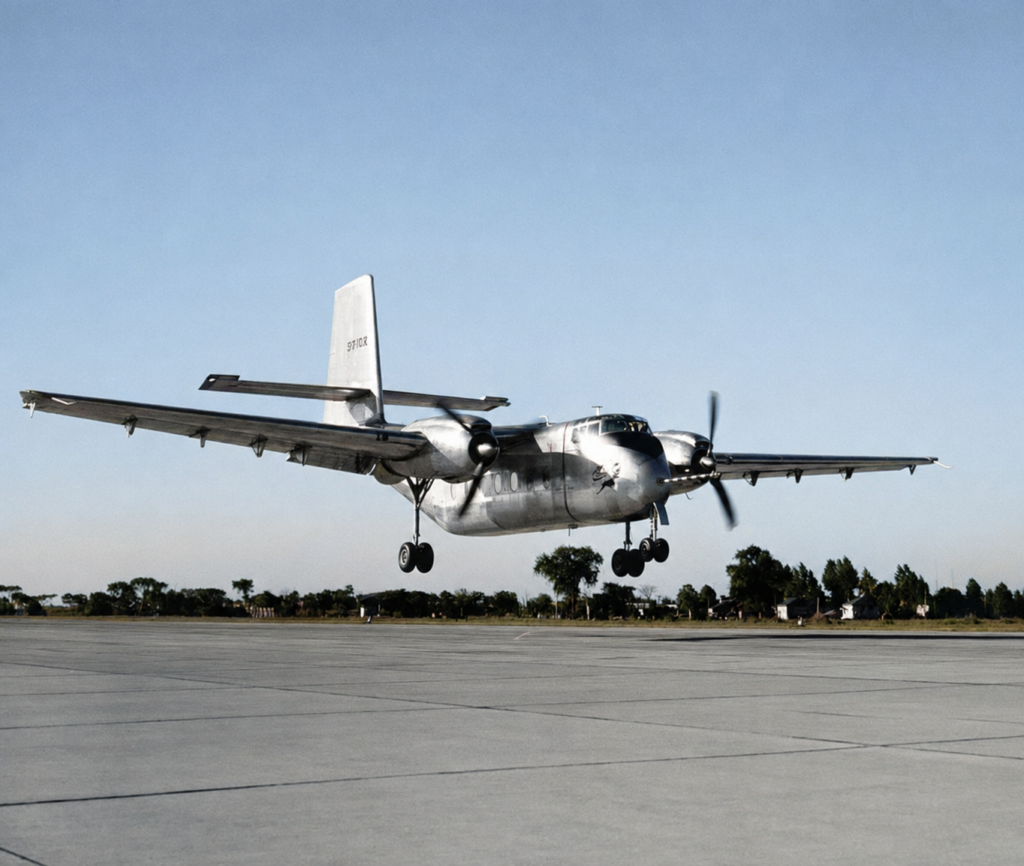
July 30, 1958, the De Havilland Aircraft of Canada Limited DHC-4 Caribou took to the air for the first time.
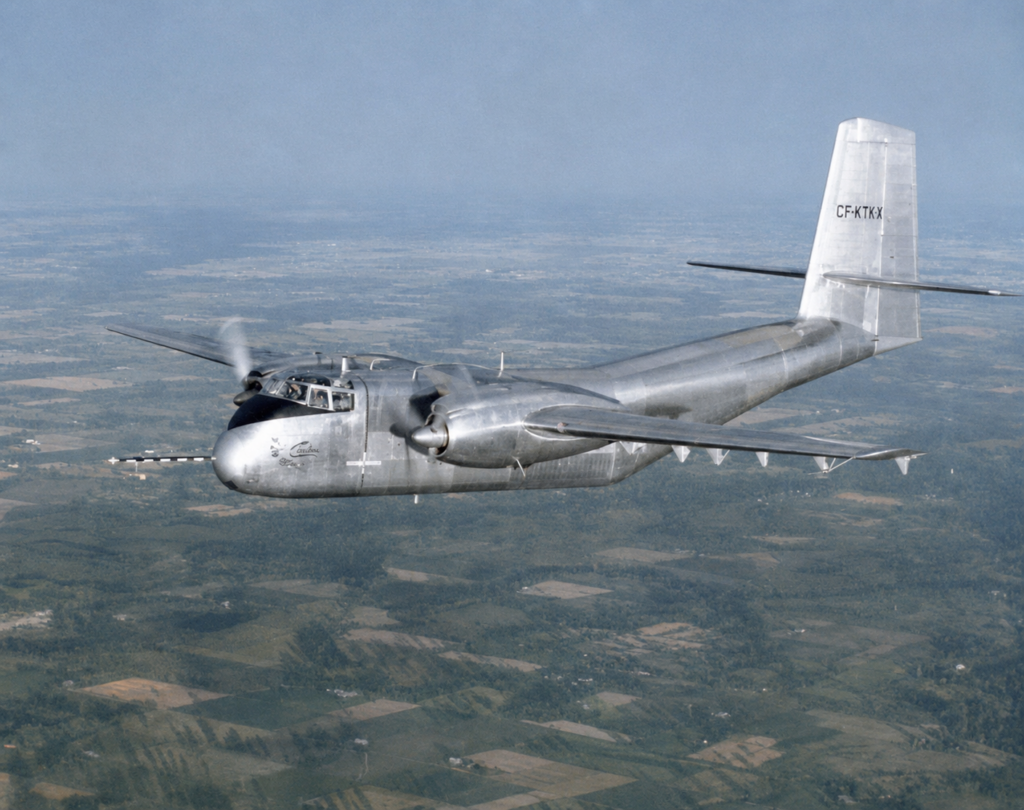
The Caribou brought de Havilland’s proven short takeoff and landing capabilities into a much larger, twin-engine aircraft. Powered by two Pratt & Whitney R-2000 Twin Wasp radial engines, it could carry troops, vehicles, or approximately 8,000 pounds of cargo while operating from short, rough, and largely unprepared airstrips. Its rear loading ramp made it particularly well suited to tactical transport and remote operations.
The Caribou went on to serve with military and civilian operators around the world, particularly with the Royal Australian Air Force, earning a reputation as a rugged and dependable aircraft in places where conventional transports could not operate. A total of 307 were built, and its success contributed to the development of the turboprop-powered DHC-5 Buffalo.